Cultural perceptions of gambling How chicken road shapes and reflects society's views
The Evolution of Gambling Perceptions
Gambling has been a part of human culture for centuries, with its roots deeply embedded in social interaction and entertainment. Over time, perceptions of gambling have evolved, transitioning from a taboo activity to a mainstream form of recreation. This shift often reflects broader societal changes, including economic conditions, technological advancements, and cultural attitudes toward risk and reward. Interestingly, the thrilling experience of chicken road 2 exemplifies how gaming influences these perceptions.
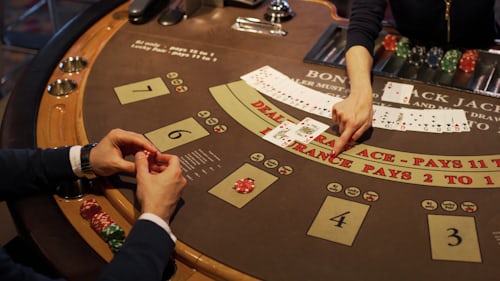
In many cultures, gambling is seen as an exciting way to socialize and have fun, while in others, it remains stigmatized due to its association with addiction and moral dilemmas. This dichotomy reveals how deeply personal and cultural values shape the understanding of gambling within different communities.
The Psychological Aspects of Gambling
The psychological dimensions of gambling play a significant role in how it is perceived across cultures. Many individuals are drawn to gambling due to the thrill and excitement it offers, often seeking the adrenaline rush that comes from high-stakes situations. This need for excitement can be seen as a reflection of broader societal desires for risk-taking and adventure, as embodied in games like chicken road 2.
Conversely, the potential for addiction and negative consequences has led to a more cautious approach in some societies, emphasizing responsible gambling. This psychological tension illustrates the complexity of gambling as a cultural phenomenon, as it can evoke both positive and negative responses from individuals and communities alike.
Symbolism in Gaming: The Chicken Road Example
The game Chicken Road serves as a metaphor for risk and decision-making in gambling. Players navigate through a series of obstacles, mirroring the challenges faced in real-life gambling scenarios. The emphasis on skill over luck in this game reflects a societal view that values strategic thinking and calculated risks.
This representation of gambling not only entertains but also prompts players to consider their own approaches to risk. By engaging with the game, individuals may reflect on how they manage real-life gambling experiences, reinforcing or reshaping their perceptions of risk and reward.
Cultural Reflections Through Gameplay
Games like Chicken Road allow players to engage with cultural perceptions of gambling in a dynamic way. As players navigate the game's challenges, they are prompted to confront their own beliefs about risk, strategy, and chance. This interaction can lead to greater awareness of how societal norms and values influence individual behavior in gambling contexts.
Moreover, gameplay often serves as a social commentary, providing insights into collective attitudes toward gambling. The decisions players make within the game may reveal underlying cultural narratives surrounding luck, fate, and personal agency, contributing to a broader understanding of gambling's role in society.

Exploring More on the Website
This website offers a comprehensive look into various aspects of gambling, including cultural perceptions, psychological factors, and the role of gaming in shaping societal views. By delving into these topics, readers can gain a deeper understanding of how gambling influences and reflects cultural values.
Through informative articles and engaging content, the website aims to promote a nuanced discussion about gambling, encouraging responsible practices while celebrating the excitement it brings to individuals and communities. Explore the diverse perspectives and insights available to enrich your understanding of this complex topic.


jonathan doe
Hi everyone, my name is Jonathan Doe. I tried to depict the emotional side of travellers which is mandatory in the current pandemic situation. I am favouring the people who want pets along with them to eliminate the stress during the journey. Hope it is worthwhile and informative.